Overview

The Oilbi LNG Project, named Mvua Kubwa Project(meaning "heavy rain" in Swahili) is a fully integrated liquefied natural gas development led by Oilbi Ltd. The project plans to develop offshore natural gas resources from Block 3R - where Oilbi holds 100% exploration and operating rights - and construct an onshore LNG facility with an annual production capacity of 2.5 million tons. Initial production is targeted for early 2031, with operations planned over a 26-27 year period.

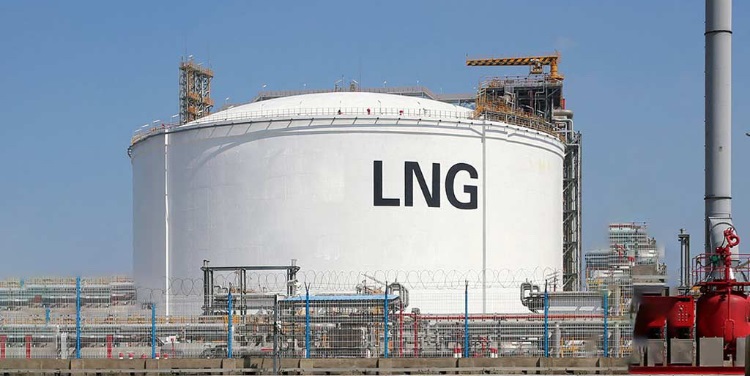
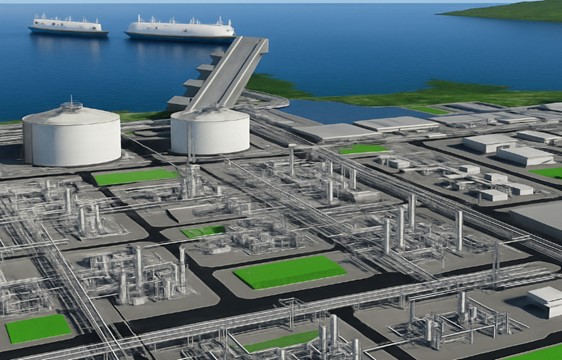
LNG Plant

An architectural rendering of an LNG plant designed by Baker Hughes in 2020.

With the signing of the PSA scheduled for 2025 as the official beginning, the project will move forward in stages according to the detailed plan that has already been established, and the target is to begin initial LNG production in early 2031.

Objectives

Drive Tanzania's Energy Transition

Enable middle-scale LNG Production to support the shift toward cleaner, sustainable energy in East Africa, positioning Tanzania as one of a regional energy hub.

Maximize Resources Value

Develop proven and probable natural gas reserves efficiently through cutting-edge technology and strategic partnerships.

Form Global Partnerships

Build joint venture with leading Korean and international energy companies for technology transfer, investment, and operational excellence.

Deliver Economic Growth

Generate long-term, stable revenue and social benefits for Tanzania by creating jobs, investing in infrastructure, and sharing skills with local communities.

Maintain Environmental Leadership

Integrate eco-friendly technology such as Carbon Capture & Storage(CCS), minimize environmental impact, and support sustainability throughout project development.

Ensure Corporate Resources

Foster transparent management, social responsibility, risk mitigation, and strong governance to protect investor interests and contribute positively to the Tanzanian community.

white line

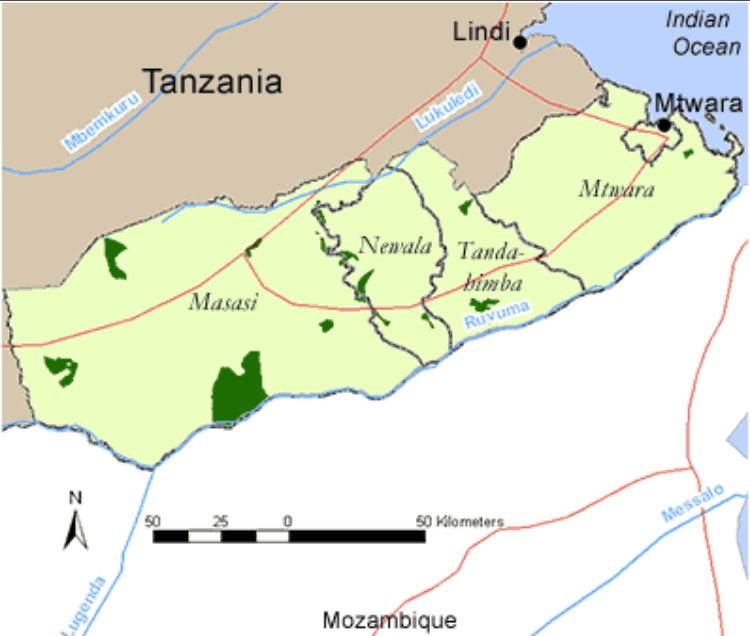
Project Site

  • The plant will be located in Mtwara, a southeastern coastal region of Tanzania
  • Oilbi has already secured the site, and the location has strong potential due to integration with local facility and regional development initiatives.
Project Site

One of the purpose of setting the site here is to consider future cooperation with global energy companies operating in Mozambique, as well as a huge LNG complex of Exxon Mobil, Equinor and Shell which is expected to be completed in 2031-32 in Lindi Tanzania.

This proximity will provide Oilbi with the valuable opportunities to collaborate with these industry giants, fostering synergetic partnerships that could enhance operational efficiencies and drive innovation.

Project Cost

  • Total Project Cost
    The estimated total cost is approximately $3.6 billion USD
  • Construction Cost
    Construction accounts for around $3.3 billion USD, representing about 91.6% of the total project cost. This include :
  • Onshore LNG plant : $2.2 billion USD
  • Subsea gas pipeline : $1.1 billion USD
  • Non-Construction Cost
    Approximately $300 million USD, including development, permitting, and project management costs.

Project Advantages

  • Large-Scale Reserves
    Oilbi holds exclusive rights to offshore blocks with 3.5 Tcf of proven and up to 36 Tcf of probable natural gas reserves, ensuring stable production over 26-27 years at 2.5 million tons per year.
  • Strategic Location
    The plant site in Mtwara offers direct access to international shipping routes and proximity to growing Asian LNG markets
  • Strong Partnerships
    Targets collaboration with top Korean and global companies will bring world-class technologies, EPC expertise, and robust financing capabilities to the project.
  • Stable Political and Economic Environment of Tanzania
    Compared to some other African nations, Tanzania has a relatively stable political climate. Furthermore, Tanzanian government actively pursuing economic development plans aimed at enhancing infrastructure and promoting foreign investment.
  • Korea-Tanzania Economic Ties
    Recently, the two countries have strengthened their economic cooperation across various sectors, fostering mutual growth and development through strategic partnership.

Expected Project Timeline

2025 Q4

• Sign the PSA with the Tanzanian government.

• Strengthening the core project team.

• Comprehensive review, and compilation of all documents.

• Preliminary meeting with KOGAS.

2026 Q1

• Initiate full-scale discussion with KOGAS and other major Korean/Foreign partners.

• Consortium and Joint Venture(JV) structure negotiations.

• Intensify technical and financial feasibility studies.

• Secure key regulatory permits and advance host government negotiations.

2026 Q2-Q4

• Finalize JV structure, partnership roles, and basic investment commitments.

• Complete Front-End Engineering Design(FEED).

• Launch formal Host Government Agreement(HGA) negotiations.

2027

• Wrap up HGA and major permitting procedures.

• Secure long-term off-take (SPA) agreements.

• Reach Final Investment Decision(FID), finalize main project funding and EPC selection.

• Begin early infrastructure work and order long-lead items.

2028-2029

• Full-scale plant, marine, and sea-bed pipeline construction.

• Continuously monitoring local procurement, workforce training, and community programs.

2030

• Complete main construction.

• Start pre-commissioning and cold testing of all systems.

Early 2031

• Begin commissioning of the LNG plant

• Achieve first production and export of LNG cargo

• Ramp-up to steady-state commercial operations.

Disclaimer

the project timeline presented here is an indicative estimate based on our best current assumption and planning. Actual schedules may be subject to change due to regulatory approvals, financing arrangements, partner selection, and other external factors beyond the company's control. Any material changes to the timeline will be promptly communicated through this website and official disclosure.